Midlife Director's Block



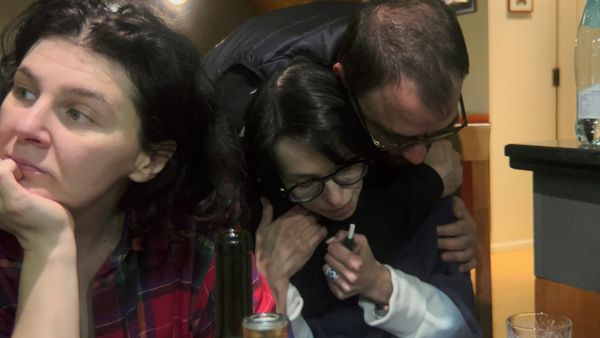
HOW TO DIVORCE DURING THE WAR (2026, dir. Andrius Blaževičius)
Lithuanian filmmaker Andrius Blaževičius' Sundance-winning dramedy How to Divorce During the War is a bitterly comic portrait of brittle relationships and bourgeois complacency that reminded me of Force Majeure. Just as a Vilnius family's breadwinner (Žygimantė Elena Jakštaitė) chooses the worst possible moment to inform her stagnating filmmaker hubby (Marius Repšys) she's bored in their marriage, Russia's invasion of Ukraine goes full-scale. He moves in with his propagandized Russophile parents and she self-righteously quits her job to take in Ukrainian refugees, escalating the film's entertaining critique of Europe's moral fatigue through public solidarity and private selfishness.
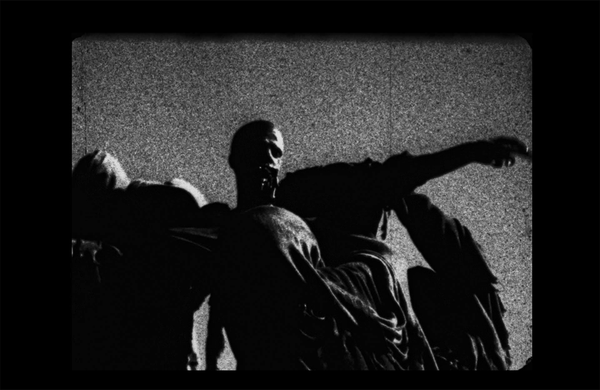
BLOOD SHINE (2025, dir. Emily Bennett & Justin Brooks)
Leveling up the scale and aesthetics of their low-budget psychological horror Alone With You, filmmaker duo Emily Bennett & Justin Brooks' psychosexual chamber chiller Blood Shine is a more literal, visceral version of the "filmmaker blocked by his own complacency" tale. When a profoundly arrogant director (David Call) retreats to a remote cabin to jumpstart his next franchise installment, he's taken captive by a religious zealot (Bennett) who claims her sadistic basement rituals will elevate him to godhood. A hypnotically shot two-hander built on unpredictable menace and surprising tenderness, this folk-horror indie is (unlike Gen Z) not afraid to be horny.

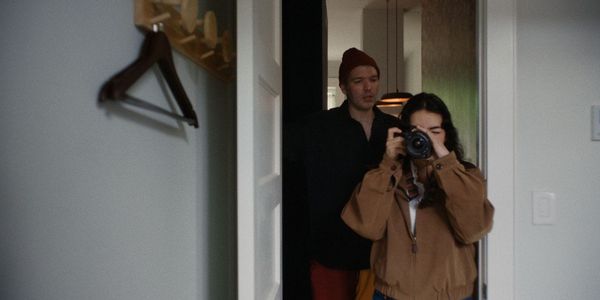
Rapsody: "God Gotta Afro (ft. KARABO YA MORENA)" (from "God Gotta Afro & Gold Hoops")
One of hip-hop's sharpest pens (with collaborators like Kendrick Lamar and fans like Barack Obama), Grammy-winning emcee Rapsody expands her lyrical precision to a soulful, dense, image-rich meditation on Black identity, womanhood and self-love. Inspired by the whitewashed gospel music she encountered during a trip to Ghana, the North Carolina rapper's anthemic title track for "God Gotta Afro & Gold Hoops" finds divinity in satirical declarations ("Look just like my momma's momma's momma's momma's continent"), while other tracks call out hypocrisy, urge the shedding of ego, and celebrate Afrofuturism—including a George Clinton collab paying tribute to jazz mystic Sun Ra.

Consider a Title Change. Forgive me the high-falutin' authority here, but a film title is a promise. It’s the first thing your audience sees, setting the expectation for their viewing experience. I was recently consulting with filmmakers whose one-word title made their project sound like a gritty thriller or revisionist Western. But the film itself is a quiet, character-driven drama about guilt and reconciliation. The protagonist could have stepped out of a John Ford movie, but the story's emotional register is closer to a 1970s antihero character study. A title doesn't need to be a full synopsis, but it should signal the genre and tone you're delivering. If it's too ill-fitting, it creates a mismatch that leaves audiences feeling confused or misled... and if it's too generic, you'll be lost forever in search-engine results.
You approve? Two ways to support The Secret Screening:
* Is your film headed for the fall festival circuit? If you'd like a second set of eyes on your strategy, I have a few spots open for one-on-one consultations. Script notes, distribution tactics, and more. [Details here.]
* Send this to a friend + subscribe for FREE below – get this in your inbox every Friday. No spam. Just two minutes of useful recommendations.