Thick as a Brick

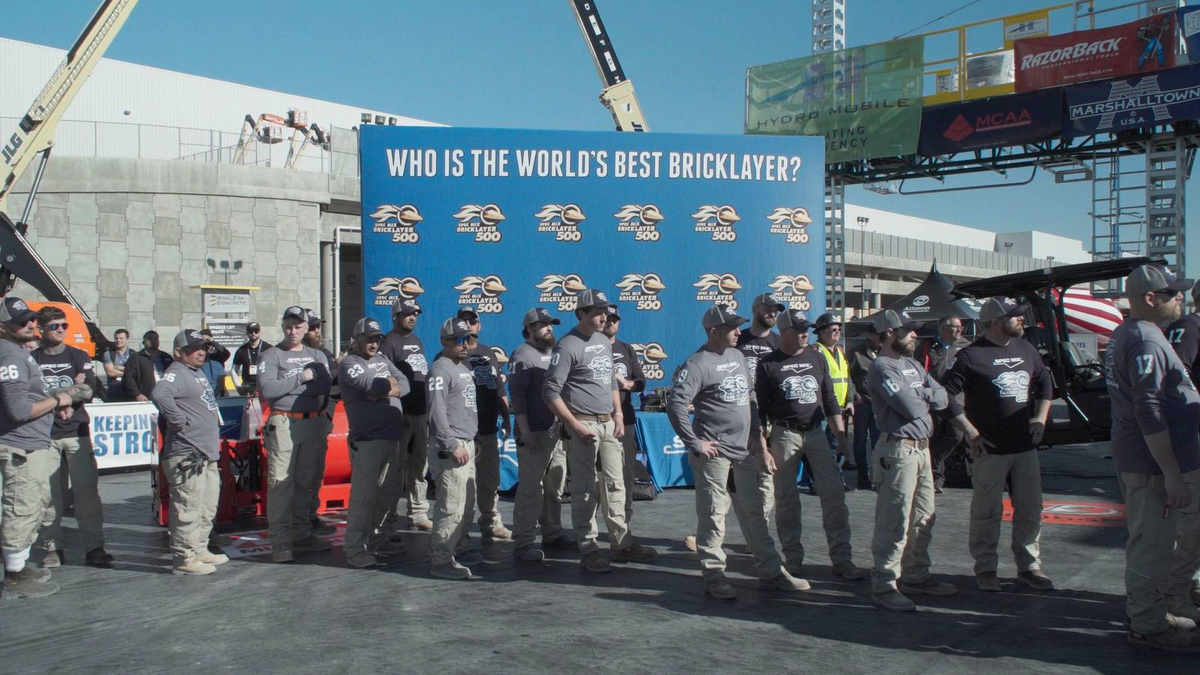
THE HISTORY OF CONCRETE (2026, dir. John Wilson)
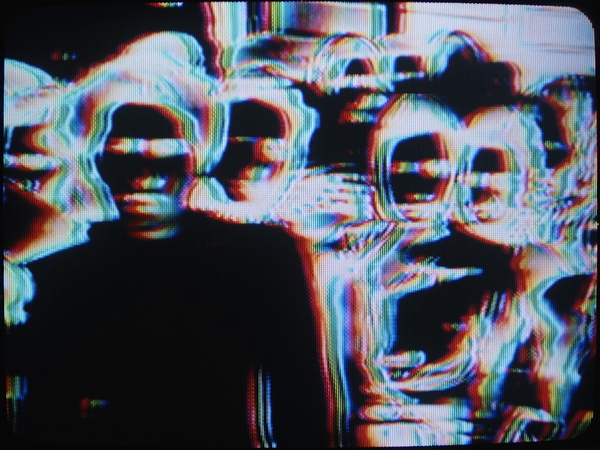
The eponymous mastermind of HBO's "How To with John Wilson," who turned quotidian NYC observation into some of the funniest, most sneakily profound TV of the decade, now explores permanence, fragility and mortality through the gray stuff under our feet. Wilson knows his absurd premise shouldn't hold together, opening The History of Concrete with a failed pitch to skeptical execs, a DIY parody of nonfiction filmmaking that doubles as a confession. His gently irreverent method (free-associative voiceover, handheld wandering, chance encounters with strangers who become accidental characters) drifts curiously from gum-blasting contractors to a tattoo-preservation business to a 52-day race in Queens, each digression circling back to the material that binds us.
Railcard: "Two Steps at a Time"
Indie-pop veterans Rachel Love (Dolly Mixture), Ian Button (Papernut Cambridge) and Peter Momtchiloff (Heavenly) formed Railcard in London after meeting at a gig and discovering they were born within weeks of each other in 1962 (as in, of the same railcard vintage). Along with keyboards and trumpet kisses from Allison Thomson (Trash Can Sinatras), this jangling, C86-influenced debut of restless '60s pop hooks is a swinging charmer with nods to Northern Soul. It's light, fizzy and entirely uncynical, which is harder to pull off than it sounds these days.
NO OTHER LAND (2024, dir. Yuval Abraham, Basel Adra, Hamdan Ballal, Rachel Szor), part of "Rubble on Screen: The Cinema of Demolition and Destruction"
Call it the post-history of concrete: Anthology's "Rubble on Screen: The Cinema of Demolition and Destruction" (September 18 - 24) traces how filmmakers have depicted material wreckage since the Lumière brothers' minute-long Demolition d'un Mur (1895), in which a knocked-down wall is rebuilt in reversed footage, one of cinema's earliest magic tricks. Across seven programs, the series questions the human costs and who gets to deploy these images? Among the curated picks are Oscar winning doc No Other Land, Jia Zhangke's Golden Lion winner Still Life, and the immersive solidarity of J.P. Sniadecki's Chaiqian.
The "Obsession Effect" is Mostly a Myth. TIFF wrapped its first official market this week, and everyone was chasing the next Curry Barker jackpot (a $750K production that scored a $15M deal and became a $513M global success). But the Obsession deal started way before TIFF, at Cannes, where a producer actively sought out the programmer to discuss it and pass along a rough cut. Days before the premiere, I learned horror uber-producers Jason Blum, Roy Lee and Steven Schneider preemptively greenlit Barker's follow-up... without seeing the movie yet. Deals often happen before the premieres, through relationships and positioning, not on the ground. If you're heading to a market with a project, don't wait for the ovations or trade-critic champions. Build the whisper campaign first. Try to make sure the right people know your name before you land. The fest is where the deal becomes public, not where it gets made.
You, with the eyeballs! Two ways to support The Secret Screening:
* Need a gut-check for your film project? If you'd like a second set of eyes on your strategy, I have a few spots open for one-on-one consultations. Script notes, distribution tactics, and more. [Details here.]
* Send this to a friend. Subscribe for FREE below. – get this in your inbox every Friday. No spam. Just two minutes of useful recommendations.