Zoot Suit, Capisce?

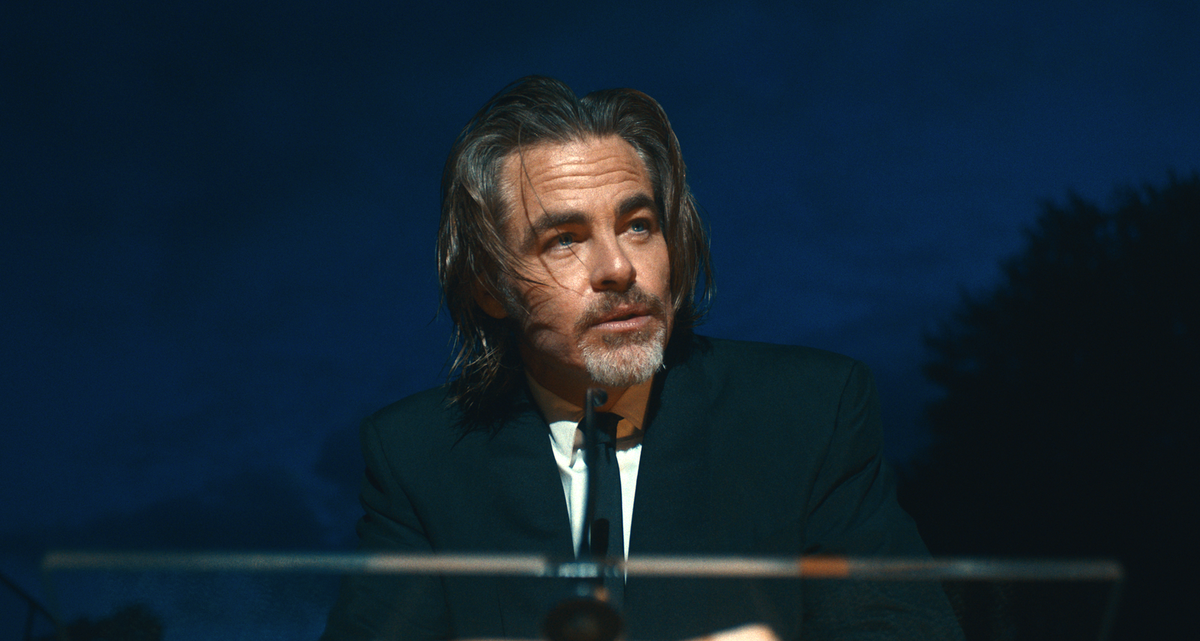

THE KIDNAPPING OF ARABELLA (2025, dir. Carolina Cavalli)
With a deadpan melancholy to rival Aki Kaurismäki's oeuvre, Carolina Cavalli's The Kidnapping of Arabella is so tonally precarious that it could be called an absurdist buddy comedy, a coming-of-age drama, or a psychological portrait of delusional regret. A chance encounter convinces an aimless young woman (Benedetta Porcaroli) that a precocious 8-year-old (Lucrezia Guglielmino) is her younger self, the latter going along for the literal ride to punish her self-absorbed novelist father (Chris Pine, speaking Italian with droll authority). Not everyone will surrender to its eccentric — dare I say "quirky" — wavelength, but I found the film an ambitious, constant pleasure and oddly moving.
AMERICAN PACHUCO: THE LEGEND OF LUIS VALDEZ (2026, dir. David Alvarado)
Long before he directed La Bamba, playwright-turned-filmmaker Luis Valdez was organizing farmworkers with a theater troupe on the back of a flatbed truck. A joyful, necessary reminder that activism and art are inseparable, David Alvarado's Sundance-winning documentary American Pachuco: The Legend of Luis Valdez is as vibrantly entertaining as its subject. While conventionally structured around talking heads (Lou Diamond Phillips, Linda Ronstadt, Valdez himself), the restless tapestry of archival treasures is stylishly brought to life by a playful narrator: Edward James Olmos, reprising his suave El Pachuco character (sort of a dandy Chicano hipster) from Valdez's Zoot Suit.

The Binoculars: "Lorene" (from "Double Whammy")
Brooklyn multi-instrumentalists Kaethe Hostetter and Chloë Swantner turned their long-running musical sisterhood into The Binoculars, built on a deceptively vintage Americana foundation: violin, guitar, lap steel, and close-harmony vocals. Recorded live in a day, their brightly inviting debut "Double Whammy" is a genre-fiddling covers album of Tex-Mex waltzes, Ethiopian tango, country-folk rarities (long-lost 1966 Arkansas gem "Lookout Heart"), and brother-duo classics (Louvin, Kershaw, Delmore), kicked off by the theme to 1949's The Third Man — a tune with a personal twist, as Hostetter's great-grandfather appears in the Carol Reed classic as a shady racketeer.

Documentaries Shouldn't Skimp on the Cinema. Look, talking heads can be a necessary evil in non-fiction storytelling. They make sense for American Pachuco, whose subject is a naturally lively presence reflecting on his past, but they're the most common tool in the toolbox. I'm drawn to filmmakers who reach farther: Werner Herzog's "ecstatic truth," or the doc-narrative hybrids that manipulate reality to get at deeper emotional honesty. It's the difference between a lecture (filmed audiobook) and a revelation (experience), using the full medium — sound, image, rhythm, even a little sleight of hand. Make the audience feel something, not just know something. A Wikipedia entry can inform you. A boldly conceived and creatively executed documentary can change how you see the world.
Dig this? Two ways to support The Secret Screening:
* Send this to a friend + subscribe for FREE below – get this in your inbox every Friday. No spam. Just two minutes of useful recommendations.
* Need eyes on your film or career? I consult on festival strategy, script notes, distribution and more. [Details here.]